
"coffee history Puerto Rico"
300 article(s) found

Puerto Rico Coffee Taste Manor Fine Coffee Bean producing area introduction
Puerto Ricans are the general name of the residents of United States Puerto Rico in Central America and the Caribbean. There are about 3.4 million people (1979). Spanish and English are widely used. More Catholic. The earliest inhabitants of Puerto Rico were Arawak and Caribbean Indians. In 2012, whites of European origin accounted for about 73% of the population, mixed-race people accounted for 23%, and blacks accounted for 4%. There are more than 20,000 Americans and others.

Rare Puerto Rican coffee, Puerto Rico Yaoke coffee.
Professional coffee knowledge exchange more coffee bean information please pay attention to the coffee workshop (Wechat official account cafe_style) Puerto Rico Yaoke and Jamaica are the Greater Antilles, located in the Central American Atlantic Ocean, is a well-known island bean-rich country. This batch comes from the Central Mountains of Puerto Rico, with an average elevation of 914 meters. Puerto Rican coffee has a history of more than two hundred years. In 1736

Puerto Rican Coffee Flavor description Grinding degree treatment characteristics introduction of high-quality coffee beans in producing areas
Puerto Rico, as a territory outside the territory of the United States, is rarely heard of, and most people may know that it is a tourist resort rich in Miss World. As one of the few island countries in the Caribbean, the country, which the Spaniards call the port of wealth, had a blank history before Columbus discovered the New World. Yaoke Yauco is an area of 176.5 square meters in the south of Poland.

Introduction of Puerto Rico coffee bean boutique coffee bean flavor and taste manor
In Spanish, Puerto Rico means the port of wealth. The history of coffee in Puerto Rico dates back to 1736, when coffee seedlings were brought into the country by early Spanish settlers. In the 18th world, sugar cane was the main economic crop, so little attention was paid to it. At the beginning of the 19th century, the French began to move from the Mediterranean island of Corsica because of European politics.

Description of Coffee Flavor in Chateau San Pedro, Puerto Rico; introduction to the taste of the producing area
In Spanish, Puerto Rico means the port of wealth. The history of coffee in Puerto Rico dates back to 1736, when coffee seedlings were brought into the country by early Spanish settlers. In the 18th world, sugar cane was the main economic crop, so little attention was paid to it. At the beginning of the 19th century, the French began to move from the Mediterranean island of Corsica because of European politics.

Description of Coffee Flavor in San Pedro Manor, Puerto Rico; introduction to the taste of varieties in producing areas
In Spanish, Puerto Rico means the port of wealth. The history of coffee in Puerto Rico dates back to 1736, when coffee seedlings were brought into the country by early Spanish settlers. In the 18th world, sugar cane was the main economic crop, so little attention was paid to it. At the beginning of the 19th century, the French began to move from the Mediterranean island of Corsica because of European politics.

Island Coffee Puerto Rico-San Pedro San Pedro Manor Cup Flavor description
For the exchange of professional baristas, please pay attention to the coffee workshop (Wechat official account cafe_style) Puerto Rico-San Pedro San Pedro Manor the whole history of Caribbean coffee has a lot to do with the Spanish reclamation, coffee was not so important in the 18th century, the main job was to grow sugar crops in the fertile valleys, Europe in the early 19th century (1800).

Introduction to the flavor and taste characteristics of coffee from San Pedro Manor, Puerto Rico, with complete flavor and no bitterness
Puerto Rico has a history of producing coffee for nearly 300 years and was once one of the most productive regions in the world. According to the Starbucks website, Spanish explorers brought coffee from Louis XIV plantations in France to the island in 1736. The fame of Yaucono Selecto was once indistinguishable from that of Kona in Hawaii and the Blue Mountains in Jamaica. It was also the palace of European kings and Vandi.

Unique flavor of Puerto Rico coffee manor flavor and taste characteristics of boutique coffee beans
In Spanish, Puerto Rico means the port of wealth. The history of coffee in Puerto Rico dates back to 1736, when coffee seedlings were brought into the country by early Spanish settlers. In the 18th world, sugar cane was the main economic crop, so little attention was paid to it. At the beginning of the 19th century, the French began to move from the Mediterranean island of Corsica because of European politics.
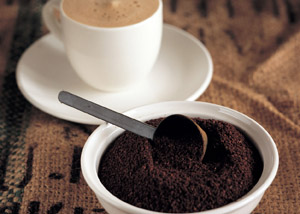
Introduction to sweet Puerto Rican coffee beans with charming single malt aroma
Puerto Rico's new farm coffee is a mild, supple and well-balanced island bean with a charming single malt flavor, extremely sweet when sipped in a cup, and medium-roasted creamy and greasy texture that is often suitable for Puerto Rico island beans. Product description: the whole history of Caribbean coffee has a lot to do with the Spanish reclamation, in the 18th century.

Puerto Rico coffee beans, which used to be one of the most productive regions in the world
Puerto Rico has a history of producing coffee for nearly 300 years and was once one of the most productive regions in the world. According to the Starbucks website, Spanish explorers brought coffee from Louis XIV plantations in France to the island in 1736. The fame of Yaucono Selecto was once indistinguishable from that of Kona in Hawaii and the Blue Mountains in Jamaica. It was also the palace of European kings and Vandi.
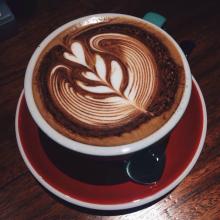
Introduction to the coffee producing area of Larez Yaoke Coffee Manor in Puerto Rico with strong flavor and long aftertaste.
On September 23, 1869, the people of Puerto Rico were in R. Under the leadership of Emmetrio Betons, an uprising was held in the town of Larez (known as the voice of Larez in history), which declared the establishment of a republic on the 24th and was later suppressed by the Spanish colonial army. After a long struggle, Puerto Rico was finally granted local self-government by Spain. However, from then on, after the Spanish-American War, the island became an American colony, when

Introduction to the characteristics of Larez Yaoke Coffee Flavor Manor in Puerto Rico with acidic taste
In Spanish, Puerto Rico means the port of wealth. The history of coffee in Puerto Rico dates back to 1736, when coffee seedlings were brought into the country by early Spanish settlers. In the 18th world, sugar cane was the main economic crop, so little attention was paid to it. At the beginning of the 19th century, the French began to move from the Mediterranean island of Corsica because of European politics.

Introduction to the varieties and flavors of Puerto Rico Coffee Manor with elegant floral fragrance and delicate acidity.
Puerto Rico, located in the eastern part of the Greater Antilles in the Caribbean Sea, includes Puerto Rico and small islands such as Vieques and Culefra. It is an island with very beautiful scenery. It is bordered by the Atlantic Ocean to the north, the Caribbean Sea to the south, the United States and the British Virgin Islands to the east, and the Mona Strait to the west, bordering the Dominican Republic. Puerto Rico covers an area of 13790 square kilometers

Fragrant Puerto Rican Coffee with strong Grinding degree; introduction to varieties of fine coffee beans in producing areas
In Spanish, Puerto Rico means the port of wealth. The history of coffee in Puerto Rico dates back to 1736, when coffee seedlings were brought into the country by early Spanish settlers. In the 18th world, sugar cane was the main economic crop, so little attention was paid to it. At the beginning of the 19th century, the French began to move from the Mediterranean island of Corsica because of European politics.

Elegant floral aroma, acidity, meticulous and soft Puerto Rican boutique coffee grinding degree treatment method of baking degree
The whole history of coffee in the Caribbean has a lot to do with Spanish reclamation. Coffee was not that important in the 18th century. The main job was to grow sugar-producing crops in fertile valleys. In the early 19th century (1800), the residents of Corsica in the French Mediterranean moved to Puerto Rico because the valleys had been occupied by Spanish immigrants.

How about Puerto Rican coffee? What does Puerto Rico taste like? what is Puerto Rican coffee?
Professional coffee knowledge exchange more coffee bean information please pay attention to the coffee workshop (Wechat official account cafe_style) the Caribbean is a warm, romantic and mysterious sea, a lot of good coffee is also around this ring sea, Jamaica Blue Mountains, Dominica, Cuba Crystal Mountain, Puerto Rico Yuko and so on these are the world's most famous rare and expensive coffee, these island beans make people have

What are the characteristics of coffee beans in San Pedro Manor, Puerto Rico? how much is the coffee in San Pedro Manor?
For the exchange of professional baristas, please pay attention to the coffee workshop (Wechat official account cafe_style) San Pedro Manor Coffee beans, Puerto Rico San Pedro Manor Coffee how much is Puerto Rico-San Pedro San Pedro Manor the entire Caribbean coffee history has a lot to do with the Spanish reclamation, in the 18th century, local coffee was not that important, the most

The origin of Puerto Rico Coffee Manor introduces Grand Larez Yaoke Coffee
Puerto Rico, as a territory outside the territory of the United States, is rarely heard of, and most people may know that it is a tourist resort rich in Miss World. As one of the few island countries in the Caribbean, the country, which the Spaniards call the port of wealth, had a blank history before Columbus discovered the New World. Yaoke Yauco is an area of 176.5 square meters in the south of Poland.

Puerto Rican Coffee Flavor and taste introduction to boutique coffee beans in manor area
On September 23, 1869, the people of Puerto Rico were in R. Under the leadership of Emmetrio Betons, an uprising was held in the town of Larez (known as the voice of Larez in history), which declared the establishment of a republic on the 24th and was later suppressed by the Spanish colonial army. After a long struggle, Puerto Rico was finally granted local self-government by Spain. However, from then on, after the Spanish-American War, the island became an American colony, when